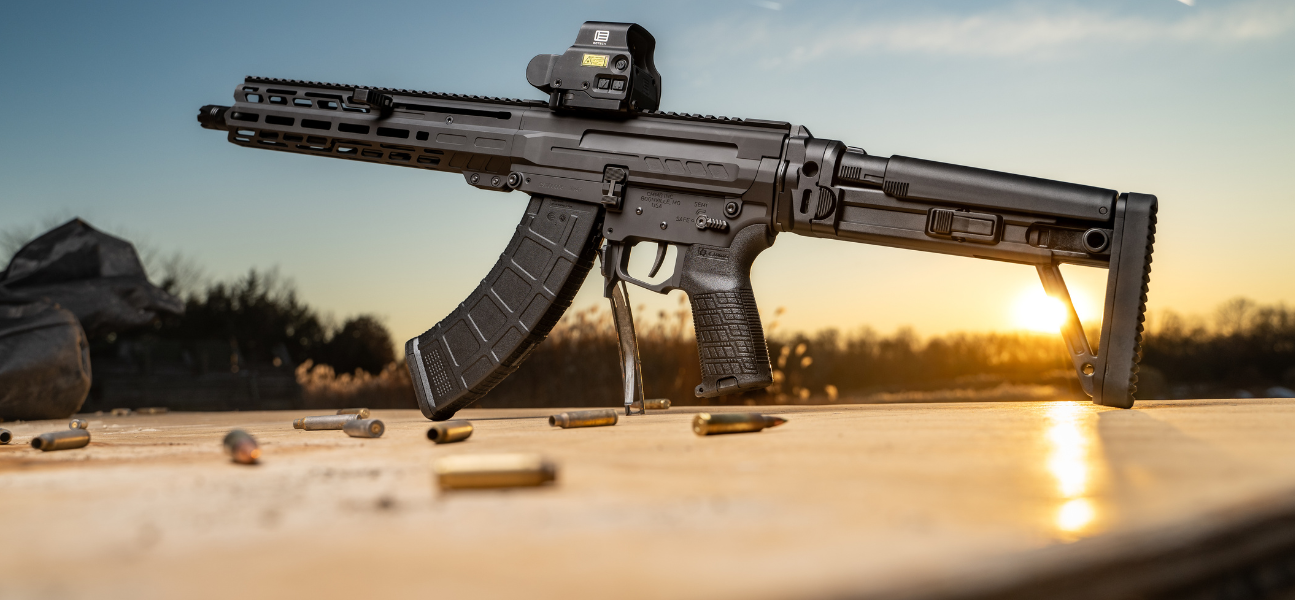
SBRs Explained: Compact Handling Meets Rifle-Class Ballistics
In the world of firearms, innovation often stems from a desire for specialized performance. For many enthusiasts, the Short-Barreled Rifle, commonly known as an SBR, represents the pinnacle of this evolution, blending the compact, maneuverable characteristics typically associated with carbines or pistols with the formidable power and precision of a full-sized rifle. This unique combination makes SBRs incredibly versatile, appealing to a broad spectrum of users from tactical professionals and dedicated hunters to home defense advocates and recreational shooters.
An SBR's allure lies in its ability to offer superior handling without sacrificing significant ballistic performance for its intended range. Whether navigating tight urban environments, dense forest undergrowth, or the confines of a home, an SBR provides an undeniable advantage in terms of agility and ease of use. At its core, a Short-Barreled Rifle is defined by its barrel length – typically less than 16 inches for rifles – which grants it a significantly reduced overall footprint compared to standard rifles.
The Distinct Advantage of a Short-Barreled Rifle
The primary benefit of an SBR is its exceptional maneuverability. In any scenario where space is at a premium, a shorter rifle becomes invaluable. Consider the challenges of a traditional long rifle:
- Tight Quarters: Indoors, a long barrel can snag on doorways, furniture, or hallways, hindering quick movement and target acquisition. An SBR vastly improves clearing and room navigation.
- Vehicle Operations: Transporting and deploying a long rifle from a vehicle can be cumbersome. SBRs fit more easily, allowing for quicker and more discreet access.
- Dense Terrain: For hunters, especially in regions with thick brush, tangled woods, or steep, narrow creek bottoms, a long barrel is a constant source of frustration. It catches on branches, limits natural movement, and can easily give away your position. An SBR keeps the muzzle clear, allowing for smoother, quieter travel and faster target acquisition when a deer appears unexpectedly. This makes SBRs shine in timber where shots rarely exceed 60-70 yards.
- Ergonomics and Balance: While a shorter barrel can sometimes mean a slight velocity reduction depending on the caliber and load, it often shifts the rifle's balance point, making it feel lighter and more natural to shoulder and point. This translates to quicker mounting and more stable shooting, especially when you need to get on target fast.
Beyond maneuverability, the term "rifle-class ballistics" is key. Unlike pistol-caliber carbines, many SBRs retain the ability to fire potent rifle cartridges like .300 Blackout, 7.62x39, .30-30, .357 Magnum, and .44 Magnum, delivering significant energy and accuracy out to practical ranges. This ensures that while you gain compactness, you don't necessarily compromise on the terminal performance needed for hunting or self-defense applications.
SBRs in Action: Field Applications and Top Performers
The practical applications of Short-Barreled Rifles are diverse, each benefiting from their compact nature.
For the Hunter in Thick Cover
Hunters who frequently venture into dense forests, clear-cuts, or hilly terrain understand the struggle of maneuvering a long rifle. SBRs offer a decisive advantage in these environments, allowing for silent movement and rapid target acquisition. As discussed in Hunt Thick Cover: Why Short-Barreled Rifles Dominate the Timber, these rifles are game-changers.
- Ruger American Ranch: This rifle has become a go-to for many hunters seeking a short, light, and highly maneuverable bolt-action platform. Its 16-inch barrel makes it incredibly easy to navigate through heavy brush or tight treestands. Despite its compact size, the American Ranch maintains excellent accuracy with popular deer calibers like .300 Blackout and 7.62x39, proving that size doesn't always dictate performance. Its lightweight stock and smooth bolt throw enhance comfort during long days of still-hunting.
- Marlin 336 Youth / Compact: The classic lever-action design of the Marlin 336, scaled down in its Youth and Compact models, is perfectly suited for thick timber. With a shorter barrel, these rifles swing fast, point instinctively, and bring the venerable .30-30 Winchester cartridge to bear in a package that's significantly easier to handle. Reduced snagging and improved control are key benefits when weaving through briars and limbs, making it one of the most underrated close-quarters deer rifles.
- Henry Big Boy Carbine: Another stellar lever-action option, the Henry Big Boy Carbine, offers a short, handy package chambered in potent pistol calibers like .357 Magnum and .44 Magnum. These calibers deliver proven deer performance at "woods ranges" and, combined with a 16.5-inch barrel and smooth lever throw, make for incredibly fast handling in dense cover. Its balanced weight distribution aids in steady shooting, even after strenuous activity.
For a deeper dive into these specific models, check out Best SBRs for Close Quarters: Ruger, Marlin, Henry Reviewed.
For Tactical and Home Defense Scenarios
Beyond hunting, SBRs are highly favored by tactical operators, law enforcement, and responsible citizens building a high-performance platform for home defense or range use. The ability to maneuver through buildings and around obstacles quickly, coupled with rifle-caliber stopping power, makes them incredibly effective in dynamic close-quarters engagements.
- Enhanced Control: The shorter length allows for better control in confined spaces, reducing the chance of bumping the muzzle into walls or corners.
- Accessory Integration: Modern SBRs often feature extensive rail systems for lights, lasers, and optics, allowing users to customize their setup for optimal performance.
- Suppressor Compatibility: Many SBRs are designed with suppressor use in mind. A shorter barrel reduces the overall length of the rifle once a suppressor is added, maintaining a manageable form factor while mitigating noise and flash.
Navigating the SBR Market: Key Features and Top Brands
When exploring the world of Short-Barreled Rifles, potential buyers will encounter a wide array of designs and features. The choice often comes down to intended use, preferred caliber, and specific ergonomic requirements. Respected manufacturers are continually pushing the boundaries of SBR design.
- Genesis: Known for reliable, range-ready platforms that offer modern accessory compatibility, Genesis SBRs are often a solid choice for shooters seeking a versatile and dependable option.
- Maxim Defense: Maxim Defense specializes in lightweight stocks and complete SBR systems engineered for maximum durability and minimal weight. Their designs prioritize compact solutions without compromising on ruggedness.
- Mountain Billy Gun Lab: For those who prioritize precision and a meticulous fit and finish, Mountain Billy Gun Lab delivers. Their builds are crafted with exceptional attention to detail, appealing to shooters who demand a standout rifle.
- Q: A premium brand, Q excels in manufacturing suppressor-friendly designs and components. Their products are often preferred by professional users and serious hobbyists who seek top-tier performance and integration with sound suppression technology.
When selecting an SBR, consider features such as folding stocks for ultimate portability, various muzzle device options (including those optimized for suppressors), and handguard lengths that accommodate your grip and accessory needs. Each brand brings a distinct design philosophy, offering a broad collection to match any shooting style or scenario.
Legal Considerations and Responsible Ownership
It's crucial to understand that in the United States, a Short-Barreled Rifle falls under the purview of the National Firearms Act (NFA) of 1934. This means owning an SBR requires additional federal registration, a tax stamp, and a background check process, much like suppressors or machine guns. While this adds a layer of complexity, it's a straightforward process for responsible citizens. Always consult local and federal laws before purchasing or building an SBR to ensure full compliance.
Conclusion
The Short-Barreled Rifle stands as a testament to intelligent firearm design, offering an unparalleled blend of compact handling and robust rifle-class ballistics. From the deep woods hunter seeking easier movement to the tactical professional demanding superior maneuverability in close quarters, SBRs provide a high-performance solution. Their versatility, combined with the continuous innovation from leading manufacturers, ensures that the SBR will remain a popular and effective choice for a diverse range of shooting applications. By understanding their benefits, exploring the available options, and adhering to legal requirements, shooters can confidently harness the unique advantages of these exceptional firearms.