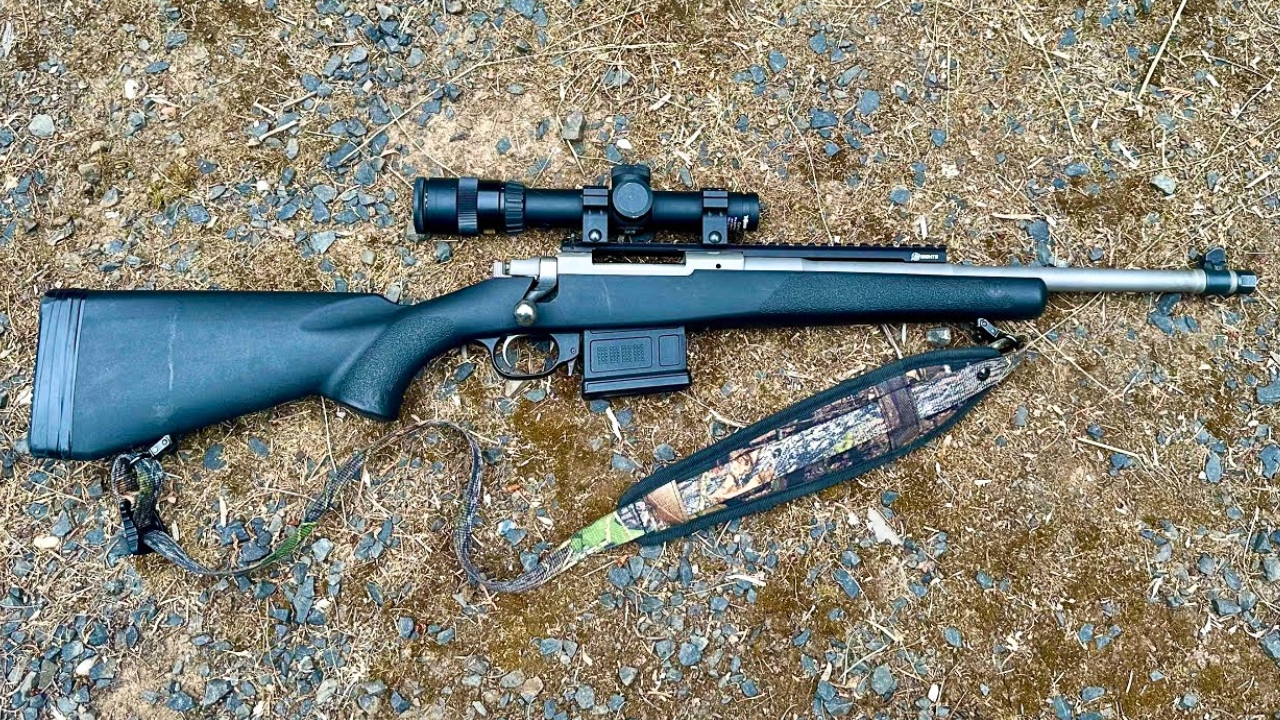
Hunt Thick Cover: Why Short-Barreled Rifles Dominate the Timber
For many hunters, the image of a long-barreled rifle, peering through a scope across a vast field, is synonymous with deer season. However, for a significant and growing segment of the hunting community, the true challenge and thrill lie deep within the dense timber, where visibility is measured in yards, not hundreds of feet. Here, in the thickets, clearcuts, and tangled creek bottoms, a different kind of firearm reigns supreme: the Short-Barreled Rifle. These compact powerhouses are revolutionizing how hunters approach close-quarters encounters, offering a decisive advantage when every inch and every second counts.
Navigating dense woods with a traditional 22-inch or 24-inch barrel can be an exercise in frustration. Limbs snag, muzzles get caught, and the rifle feels cumbersome when you need to shoulder it in a hurry. The inherent bulk of a longer firearm makes moving quietly, mounting quickly, and achieving a stable shot window incredibly difficult. This is precisely where the engineering brilliance of the Short-Barreled Rifle shines, transforming a challenging environment into a manageable, even advantageous, hunting ground.
The Unmatched Advantages of Short-Barreled Rifles in Dense Terrain
The benefits of a Short-Barreled Rifle in timber hunting are immediately apparent the moment you step off the beaten path. They are designed for environments where maneuverability, quick handling, and minimal bulk are paramount.
- Superior Maneuverability: This is arguably the primary benefit. A shorter barrel dramatically reduces the rifle's overall length, making it far easier to weave through dense brush, navigate tight shooting lanes, and climb into cramped treestands or ground blinds without snagging. You stay closer to your rifle, maintaining control and stealth.
- Faster Target Acquisition: When a deer appears suddenly at 30 yards, you don't have time to fight your rifle into position. A shorter, lighter SBR shoulders faster, points more naturally, and allows you to get on target almost instinctively. This quicker mounting time can be the difference between a successful shot and a missed opportunity.
- Reduced Snagging and Noise: A long barrel catching on branches creates noise and can give away your position. SBRs minimize this risk, allowing for quieter movement and a more discreet approach. Less snagging also means less frustration and more focus on the hunt.
- Enhanced Balance and Comfort: While some might assume a shorter barrel means a lighter rifle, the key is often improved balance. With less weight extended far out, the rifle feels more centered between your hands, reducing fatigue during long days of still-hunting and making it easier to hold steady for those quick, off-hand shots.
- Ideal for Close-Range Ballistics: Timber hunting rarely involves shots beyond 100 yards, and often much closer – think 60 yards or less. Many popular calibers, especially those well-suited for SBRs, deliver their optimal terminal performance within these ranges, ensuring ethical and effective harvests. To delve deeper into the blend of compact handling and rifle-class ballistics, read our detailed article on SBRs Explained: Compact Handling Meets Rifle-Class Ballistics.
Beyond the Basics: Key Features to Look for in a Timber SBR
While the compact form factor is a given, selecting the ideal Short-Barreled Rifle for thick cover involves considering several specific features:
Barrel Length & Caliber Selection
The sweet spot for hunting SBR barrel lengths typically ranges from 16 to 20 inches. This provides a balance between extreme maneuverability and retaining sufficient velocity for ethical hunting. As for calibers, focus on those known for their effectiveness at closer ranges:
- .300 Blackout: A modern favorite, especially when paired with a suppressor. Its ballistics are excellent for shots under 150 yards, delivering significant energy with both supersonic and subsonic loads.
- 7.62x39: Affordable and potent, offering excellent performance within typical timber ranges, similar to the .300 Blackout.
- .30-30 Winchester: The classic timber cartridge. Lever-action rifles chambered in .30-30 are legendary for their quick handling and proven knockdown power up to 150 yards.
- Pistol Calibers (.357 Magnum, .44 Magnum, .45-70 Govt): When chambered in carbines, these calibers offer tremendous stopping power at close range, with minimal recoil and often fantastic accuracy. They are particularly popular in lever-action SBRs.
Weight, Balance, and Stock Options
Look for rifles that feel light in hand but are also well-balanced. Synthetic stocks are often preferred for their weather resistance and lighter weight. While not always necessary for hunting, folding stocks can further reduce the rifle's footprint for transport or storage in tight spaces. Manufacturers like Maxim Defense are known for their lightweight stocks and complete SBR systems, built for durability in rugged conditions.
Action Type and Muzzle Devices
Bolt-action SBRs offer precision and simplicity, while lever-actions provide quick follow-up shots in a traditional, highly maneuverable package. For those considering modern tactical platforms, AR-style SBRs from brands like Genesis and Mountain Billy Gun Lab offer modularity and accessory compatibility. Many modern SBRs are also designed to be suppressor-friendly, with manufacturers like Q leading the charge in premium, quiet designs. A suppressor not only reduces noise but also tames recoil, making for a more pleasant and stealthy hunting experience.
Popular Choices for the Discerning Timber Hunter
Several rifle models have become go-to choices for hunters seeking the compact efficiency of a Short-Barreled Rifle in the woods. You can explore more detailed reviews in our article on Best SBRs for Close Quarters: Ruger, Marlin, Henry Reviewed.
- Ruger American Ranch: This bolt-action rifle has garnered immense popularity for its incredible value, accuracy, and lightweight, compact design. With a 16-inch threaded barrel, it's perfect for navigating dense cover and easily accommodates suppressors. Chamberings like .300 Blackout and 7.62x39 are highly effective for deer at typical timber ranges, making it a practical and affordable workhorse.
- Marlin 336 Youth / Compact: A timeless classic, the Marlin 336 lever-action in its shorter Youth or Compact configurations is a natural fit for the woods. The .30-30 Winchester cartridge has accounted for countless deer, and the rifle's quick-swinging, natural-pointing characteristics make it incredibly fast to get on target. Its smooth cycling and robust design have earned it a loyal following among timber hunters.
- Henry Big Boy Carbine: Blending classic aesthetics with modern performance, the Henry Big Boy Carbine offers a handy package in potent pistol calibers like .357 Magnum, .44 Magnum, and even .45-70 Government. Its 16.5-inch barrel and smooth lever action ensure rapid handling and follow-up shots. The weight distribution helps maintain stability, even when breathing hard after a stalk.
Beyond these popular models, the SBR market is vast, with offerings from innovative manufacturers. Companies like Genesis provide reliable, range-ready platforms with modern accessory compatibility, while Mountain Billy Gun Lab focuses on precise builds with attention to fit and finish, ideal for shooters who want a standout rifle that performs flawlessly in the field.
Maximizing Your SBR's Potential: Tips for Hunting Thick Cover
Owning a Short-Barreled Rifle is just the first step. To truly dominate the timber, consider these practical tips:
- Practice Close-Range, Instinctive Shooting: Most shots will be quick and at relatively close distances. Practice fast target acquisition from various positions, including off-hand, to build muscle memory.
- Opt for Appropriate Optics: High-magnification scopes are often overkill. A low-power variable optic (LPVO) (e.g., 1-4x, 1-6x) or a red dot sight with a magnifier offers the best balance of speed and precision for close-quarters work.
- Select the Right Ammunition: Choose bullets designed for rapid expansion at the velocities your SBR generates. For pistol calibers or subsonics, this is crucial for ensuring ethical energy transfer.
- Master Stealth and Patience: An SBR aids in quiet movement, but good woodsmanship remains vital. Move slowly, observe, and listen. Patience often yields the best results.
- Understand Ballistic Limitations: While SBRs are highly effective, remember their strength is close to medium range. Know your rifle's capabilities and stick within its effective range for your chosen caliber.
Conclusion
For the hunter who truly understands the demands of dense timber, the Short-Barreled Rifle isn't just an option; it's a strategic necessity. Its compact dimensions, exceptional maneuverability, and quick handling characteristics provide an undeniable edge when navigating challenging terrain and engaging game at close quarters. From classic lever-actions to modern bolt guns and AR platforms, the SBR market offers a diverse range of reliable, accurate, and highly effective tools for the dedicated timber hunter. Embrace the efficiency, precision, and freedom that a well-chosen Short-Barreled Rifle brings, and you'll find yourself not just hunting in the timber, but truly dominating it.